Hidden Gems of the Balkans: Off-the-Beaten-Path Destinations
The Balkan Peninsula is often associated with iconic destinations such as Dubrovnik, Santorini, or Lake Bled. Yet beyond these well-trodden paths lies a mosaic of lesser-known places that offer a more intimate encounter with the region’s landscapes, traditions, and history. From remote mountain hamlets where time seems to stand still to quiet coastal coves untouched by mass tourism, these hidden gems invite travelers to explore at a slower pace.
Understanding the appeal of off-the-beaten-path travel requires a shift in perspective. Rather than checking off famous landmarks, it involves immersing oneself in everyday rhythms, local customs, and environments that have not been adapted for large crowds. This article highlights a selection of such destinations across the Balkans, each chosen for its distinctive character and relatively low visitor numbers. The intention is to provide context and information, not to prescribe an itinerary, so that readers can consider how these places might fit their own travel approach.
For those planning a journey through the Balkans, the following sections offer a starting point. They cover mountain villages, coastal retreats, historic sites, cultural encounters, and natural landscapes, all of which can be experienced in a way that respects both the environment and local communities.
Mountain Villages: Life Above the Clouds
The mountainous interior of the Balkans harbors settlements that have preserved traditional building styles, agricultural practices, and social structures for centuries. One example is Theth in northern Albania, a village set within the Accursed Mountains. Accessible via a winding road that is often impassable in winter, Theth maintains stone houses with slate roofs and a sense of isolation that fosters a strong community bond. Visitors can observe local life through the daily routines of farming, cheese making, and gathering firewood. The surrounding trails lead to the Grunas Waterfall and the iconic Lock-in Tower, a structure that once served as a sanctuary under the Kanun, the traditional code of laws.
Another village worth noting is Kolasin in Montenegro, although it is more of a small town. Its surroundings offer dense forests, glacial lakes, and the Biogradska Gora National Park. The village itself has a relaxed atmosphere with family-run guesthouses where homemade rakija and roasted lamb are part of the hospitality. In winter, the area sees some skiing, but the off-season months provide a quieter experience for hiking and observing wildlife. The key to appreciating such places is to allow time for unstructured exploration, to engage with hosts, and to accept that comfort levels may differ from urban standards.
In Bosnia and Herzegovina, the village of Lukomir sits at an altitude of nearly 1,500 meters on the slopes of the Bjelašnica mountain. It is one of the last remaining semi-nomadic villages in the country, where shepherds still move their flocks to higher pastures during summer. The stone houses with cedar shingle roofs are clustered around a small mosque. Walking through Lukomir, one can see the careful terracing of fields and the communal oven used for baking bread. Such settings offer a rare glimpse into a lifestyle that has largely disappeared elsewhere in Europe.
Coastal Towns Away from the Crowds
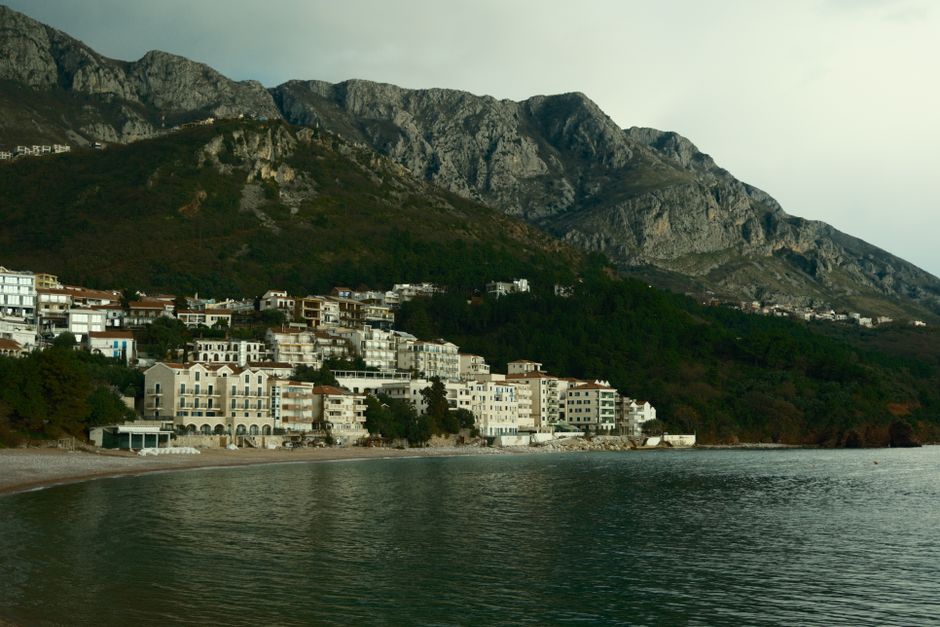
While the Adriatic coast has busy resorts like Budva and Hvar, there are smaller settlements that maintain a quieter character. The town of Ulcinj in southern Montenegro is one such place. Its Old Town sits on a hill overlooking long sandy beaches, including Velika Plaza, which stretches for several kilometers. Ulcinj has a multicultural heritage visible in its Ottoman-era mosques, Venetian fortifications, and a sizable Albanian community. The pace of life here is measured, with fishermen repairing nets by the harbor and cafes serving strong coffee well into the evening. The nearby Bojana River delta provides a habitat for birds and offers opportunities for kayaking through reed beds.
Further south in Albania, the coastal village of Himara is a cluster of beaches and hillside houses. Unlike the more developed Saranda, Himara retains a sleepy vibe, especially in the shoulder seasons. The water is clear, and the beaches are pebbly rather than sandy. Small restaurants serve grilled fish and seasonal vegetables. The surrounding olive groves and citrus trees add to the sense of a working landscape. Travelers who stay for a few days can visit the nearby Porto Palermo castle, a structure built by Ali Pasha of Tepelena, and explore the abandoned submarine tunnel carved into the rock, which is a reminder of Albania’s Cold War history.
On the Ionian coast of Greece, the town of Parga is known but still less frequented than islands like Corfu. Its old houses climb the hillside, and the fortress dominates the skyline. The beaches nearby, such as Valtos and Lichnos, are spacious and rarely overcrowded. Parga offers a base for visiting the archaeological site of Necromanteion or the Acheron River, where mythology places the entrance to the underworld. The combination of cultural layers and natural beauty makes these coastal towns compelling for those who prefer calm discovery over party scenes.
Historic Sites Off the Map
Beyond the well-publicized Roman ruins and medieval fortresses, the Balkans contain many historic sites that receive few visitors. In North Macedonia, the ancient city of Heraclea Lyncestis near Bitola presents well-preserved mosaics from the early Christian period. The site is often empty, allowing visitors to contemplate the intricate floor patterns of geometric and animal motifs without crowds. The adjacent amphitheater is small but evocative. Bitola itself is a charming city with Ottoman-era bazaars and a vibrant café culture that contrasts with the quiet archaeology.
In Bosnia and Herzegovina, the town of Stolac holds a rich but less publicized history. The area has been inhabited since prehistoric times, as evidenced by the nearby Radimlja necropolis with its medieval stećak tombstones. These carved stone monuments are scattered across the landscape, some decorated with scenes of hunting or dancing. The Ottoman old town of Stolac features a well-maintained clock tower, public fountain, and a set of traditional houses. Because Stolac is not a major tourist hub, one can explore the blend of Illyrian, Roman, medieval, and Ottoman layers at a relaxed pace.
Albania’s Butrint is a UNESCO World Heritage site, but its relatively remote location near the Greek border means it does not experience the same visitor numbers as similar ruins in Italy or Croatia. The site covers multiple eras, from a Greek colony to a Roman city, a Byzantine cathedral, and a Venetian tower. The setting within a wooded peninsula adds to the atmosphere. Visitors can walk among the ruins, observe the remains of a theater, baths, and a baptistery, and then continue to the nearby wetlands for birdwatching. The key to appreciating such places is to approach them with curiosity about the layers of history rather than expecting polished reconstructions.
Cultural Encounters and Local Traditions
Hidden gems often provide opportunities for more meaningful cultural exchanges. In the villages of the Balkan interior, traditional crafts such as weaving, woodcarving, and pottery are still practiced. For example, in the region of Gjirokastër in southern Albania, local artisans produce intricate silver filigree jewelry using methods passed down through generations. Visitors who take the time to watch the workmanship and ask questions can gain insight into the role of these crafts in community identity. It is advisable to purchase items directly from the makers, as this supports the continuation of the practice.
Festivals and seasonal celebrations also offer windows into local culture. In the village of Kukës in northeastern Albania, the annual Chestnut Festival gathers farmers who bring their harvest, and traditional music and dance fill the streets. Such events are not staged for tourists; they are genuine community gatherings. Travelers who attend are usually welcomed and can taste local dishes such as chestnut soup or roasted chestnuts. The experience is richer when one arrives without expectations and participates in a spirit of open observation.
In Montenegro, the village of Njeguši, famous for its smoked ham and cheese, is nestled on the slopes of Mount Lovćen. The road from Kotor to Cetinje passes through this settlement, where families still produce pršut and sir under traditional methods. A stop at a household that displays a sign for tasting allows for a direct encounter with the product and the family’s story. Such interactions are best approached with respect for the hosts’ schedules and privacy. The exchange is not a transaction but a shared moment of hospitality.
Nature and Outdoor Activities in Undiscovered Settings
The natural landscapes of the Balkans extend far beyond the popular national parks. The Accursed Mountains in Albania and Montenegro, also known as the Prokletije, offer hiking trails through valleys marked by glacial cirques and limestone peaks. The Valbona Valley National Park in Albania is a gateway to the area, with marked paths leading to the border and beyond. The terrain is rugged, and weather can change quickly. Hikers should be prepared with proper equipment, maps, and a good sense of orientation. Guided treks can be arranged in local guesthouses, providing both safety and local knowledge.
In Bosnia, the Sutjeska National Park is home to the Perućica primeval forest, one of the last old-growth forests in Europe. Walking through the dense canopy of beech, fir, and spruce, one can observe natural processes of decay and regeneration without human intervention. The park also contains the dramatic Skakavac waterfall. The area is sparsely populated, and paths are not heavily marked. Visitors are encouraged to hire a local guide who can explain the ecosystem and ensure a safe journey through the forest.
In North Macedonia, the Mavrovo National Park combines mountainous terrain with the artificial Mavrovo Lake. The park is less frequented than Ohrid, but it offers diverse hiking routes, from gentle lakeside walks to alpine ascents. The region is also home to the rare Balkan lynx, though sightings are very uncommon. The village of Galičnik within the park is known for its traditional architecture and the annual Galičnik Wedding Festival, a reenactment of a custom wedding that draws many local participants. The natural beauty here is understated, inviting contemplation rather than adrenaline.
These destinations collectively illustrate that the Balkans hold many layers waiting to be discovered by those who venture beyond the most recognizable spots. The experience of such travel often requires a degree of flexibility, patience, and openness to unexpected circumstances. The rewards, in terms of genuine connections and lasting memories, emerge from the journey itself rather than from any specific outcome. By approaching these hidden gems with curiosity and respect, travelers can gain a deeper understanding of a region that is as complex as it is beautiful.